


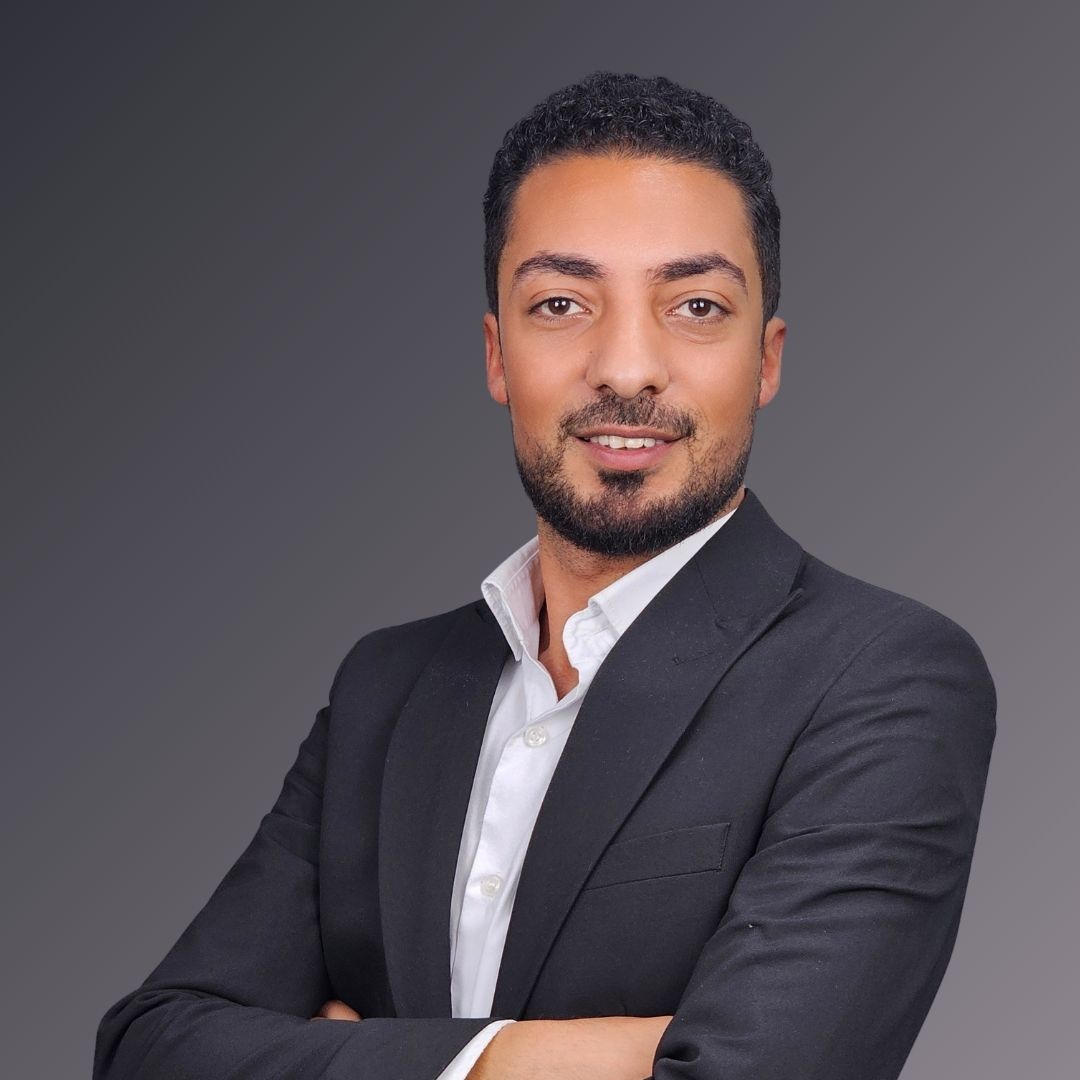
 Abdulrahman Ali
Why clinic advertising is different
Most businesses just need more clicks. A clinic needs full calendars, not just full inboxes — and those aren't the same problem. Two things make clinics genuinely different to advertise for:
- Trust takes longer to earn. Someone considering a procedure, especially anything aesthetic or elective, is rarely ready to book from the first ad they see. The creative has to reassure before it sells — real staff, real testimonials, a clear explanation of what to expect — not just show a price.
- The no-show problem is bigger than the no-lead problem. A clinic can run a perfect campaign and still lose the appointment to a slow reply or a forgotten reminder. The advertising and the front-desk process have to be designed together, not handed to two different teams that never talk.
That's why the honest answer to "what platform should I use" is never just one. It's a combination working together: search intent capture, awareness-and-trust building, and instant qualification — each doing a job the others can't.
What a real clinic-advertising agency should be doing for you
- Google Search ads for high-intent treatment searches. Someone typing your treatment name into Google has usually already decided to get it done — the only open question is who from. This is the cheapest intent to capture and the easiest to lose to a competitor's ad.
- Instagram/Meta ads with reassurance-first creative. For people who haven't decided yet — staff introductions, real testimonials, a clear walkthrough of the procedure — building the trust that search intent alone doesn't need.
- WhatsApp auto-reply and qualifying questions before the lead reaches your front desk. The questions that matter (which treatment, preferred timing, whether they've had a consultation before) get answered automatically, so your team spends its time on people who are actually ready to book.
- Automated no-show follow-up over WhatsApp. A reminder and a reschedule option sent automatically, rather than depending on someone remembering to call.
- Ad accounts and data kept in your name. If the relationship ends, your account history, pixel data and audiences leave with you — not locked inside the agency's own account.
Google Search Ads
Catch the patient already searching for your exact treatment, at the moment they're deciding who to book with.
Questions to ask before you sign
- Do I own the ad account, or does the agency? If it's the agency's account, your campaign history and audience data don't transfer if you ever leave.
- How exactly is a "lead" defined and counted? A form submission and a booked, attended appointment are very different things — make sure you know which one is being reported.
- How do you handle medical-advertising compliance? Ask specifically, not generally — see the section below.
- Is follow-up automated, and how fast? "We reply quickly" isn't an answer. Ask for the actual response time an enquiry gets, at any hour.
- Can I see real, current numbers — not projections? Any agency that only shows industry-average benchmarks instead of an actual account's numbers is asking you to trust a forecast, not a result.
Compliance: what UAE clinics can and can't advertise
Healthcare advertising in the UAE is regulated — generally through bodies like the Dubai Health Authority (DHA), Abu Dhabi's Department of Health (DOH), and the National Media Council for paid promotion more broadly. Rules typically restrict specific outcome claims, certain before/after imagery, and discount or pricing promotions on medical procedures, and can vary by emirate and by treatment type. This is general context, not legal advice specific to your clinic — a properly-run agency builds creative to work within these rules from the first draft, and can point you to the exact regulator and requirement for your treatment and emirate rather than guessing.
A realistic budget and what to expect
There's no fixed platform rate here either — Google and Meta both run open auctions, and treatment searches tend to carry a higher cost-per-click than general retail keywords because the customer value per booking is higher. As a real reference point rather than an industry-average guess: one medical account we run currently sees a cost per form lead of AED 36.85, which our tracking put at 54% below the typical market benchmark for that treatment category, across 25 leads in the measured period.
What actually moves that number for a clinic, in rough order of impact: how fast enquiries are answered, how well the creative reassures before it asks for a booking, and whether search and social are both capturing their respective stage of intent rather than just one or the other.
WhatsApp Lead Automation
No-show follow-ups and appointment reminders handled automatically over WhatsApp, so a slow reply never costs you the booking.
Creative that reassures before it sells
On Instagram specifically, the clinics that perform best rarely lead with a discount. They lead with a real staff introduction, a patient's own words, or a plain walkthrough of what a first visit looks like — the goal is answering the hesitation before it's spoken, not just asking for the click. See our Instagram & Meta Ads page for how that creative gets built.